
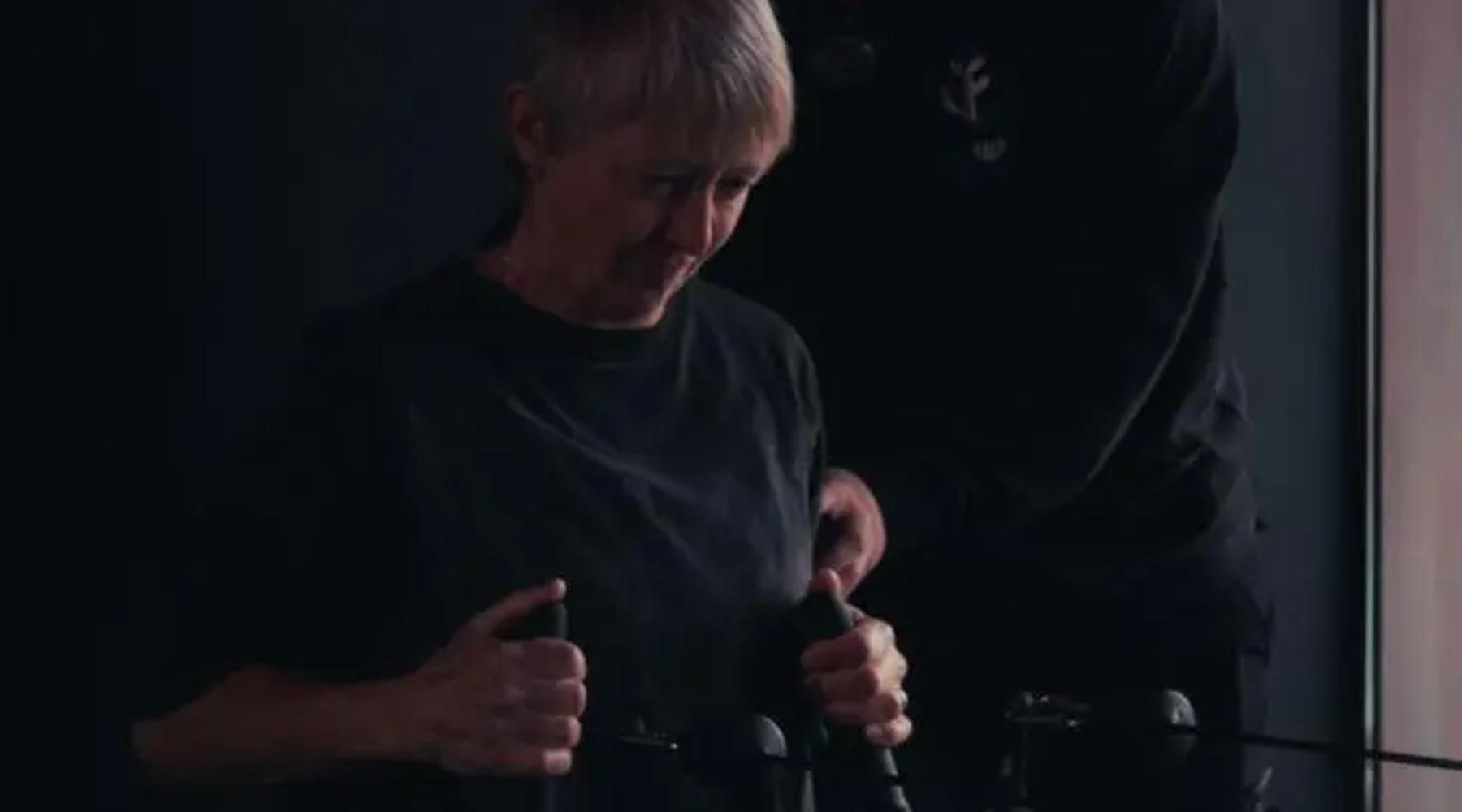

Strength training for over 50s, from the coaches at TNT Fitness in Cowan Bridge: why it matters, how to start safely, the movements that count and how to build up over winter.
You've noticed it creeping in. Getting up off the floor takes a hand on the sofa, the shopping bags feel heavier than they used to, and a steep path that was nothing a few years ago now leaves your knees grumbling. You know strength training would help, but walking into a gym full of barbells after 50 feels like a lot.
This guide is for you. As coaches at TNT Fitness in Cowan Bridge, we coach members of every age, and we have a dedicated Over 65s membership. Below is how we'd get you started safely, what to train, and how to build strength that makes everyday life easier, starting this winter.
Why Strength Training Matters More After 50
As we get older, we naturally lose muscle and strength unless we do something to keep them. That's why the UK Chief Medical Officers' physical activity guidelines recommend that adults do activities that build strength on at least two days a week, alongside staying active in general.
Walking is brilliant, and plenty of people round here walk a lot. But walking alone doesn't build much strength. Lifting does. And strength is what you lean on for the everyday stuff: getting out of a low chair, carrying logs in for the fire, climbing a stile on a footpath, or catching yourself when you slip on a frosty pavement.
None of that requires you to become a bodybuilder. It requires you to get a little stronger, consistently, over time.
Is It Safe to Start Lifting Weights After 50?
For most people, yes. Well-coached strength training is about controlled movement, sensible loads and gradual progress. That's a world away from the image of someone straining under a huge barbell.
There are a few sensible steps before you start. If you have a heart condition, high blood pressure, a recent operation or joint replacement, or any condition you're managing with your GP, have a chat with them first. Then tell your coach about it. A good coach will adapt exercises around old injuries and stiff joints rather than pushing you through them.
At TNT, that's normal practice. Karrina Howe is both a strength and conditioning coach and a BSc Sports Therapist with ten years' experience, and Sarah-Beth, who has a BSc in Sports Rehabilitation, offers sports and remedial massage at the gym on Fridays. Nobody expects you to know it all before you walk in.
The Movements That Matter Most
You don't need a long list of exercises. You need a handful of movement patterns that cover how your body works in real life. These are the ones we'd build your programme around.
Sit to stand and squats
If you can get up from a chair without using your hands, you've got a lot of independence banked. We often start with sitting down to a bench and standing back up, then progress to goblet squats holding a dumbbell.
Hinging and deadlifts
Picking something up off the floor is a hinge. Learning to hinge at the hips, with a flat back, protects your lower back when you lift a bag of compost or a grandchild. We teach this with a kettlebell before going anywhere near a barbell.
Pushing and pulling
Press-ups against a bench, dumbbell presses, cable rows and lat pulldowns build the upper body strength you use for lifting, reaching and pulling yourself up. Pulling movements also help with posture if you spend a lot of time sitting.
Carrying
Farmers carries, walking while holding a weight in each hand, build grip, shoulders and core all at once. They're one of the most useful exercises there is for real life, and you can start light.
Balance and step-ups
Step-ups onto a low box build leg strength and balance together. For anyone who loves the hills around Kirkby Lonsdale and Ingleton, they're also one of the best fell-walking exercises you can do indoors.
How to Start: Your First Month
The biggest mistake we see is doing too much too soon, getting sore, and stopping. Start well within your ability and let the strength come.
- Weeks one and two: two sessions a week, learning the movements with light weights. You should finish feeling you could have done more.
- Weeks three and four: add a little weight or a few repetitions where the movement looks and feels solid.
- After a month: keep two or three sessions a week and keep adding small amounts of load over time. That gradual progression is what builds strength.
Some muscle soreness a day or two after training is normal at the start. Sharp pain, or pain in a joint, is not, so tell your coach and we'll change the exercise.
Rest days matter too. Your body gets stronger in the days between sessions, not during them.
Why Winter Is a Good Time to Start
The clocks have gone back, the lanes are dark by teatime and the weather around Cowan Bridge isn't always kind. It's the time of year when a lot of people's activity quietly drops off.
That's exactly why it's a good time to start. A regular strength session gives your week some structure when getting out for a walk is harder. And if you put the work in over the winter, you'll be stronger and steadier on your feet by the time spring arrives and the fells are calling again.
We open at 5am and close at 10pm every day, so you can pick the quietest times. If you'd rather train when it's calmer, mid-morning is usually a good bet.
Coaching, Classes or Training on Your Own?
There's no single right answer. It depends on how confident you feel and what keeps you coming back.
One-to-one coaching is the best way to start if you're nervous or managing an injury. Our coaches will build a plan around you. Sharon Rucastle has trained with our founder Tomi Tatham since 2014, and Frank Shepherd, a Level 3 PT, specialises in building confidence as much as muscle.
Classes suit people who like company and a fixed time in the diary. Our classes scale to your level, so you work at your own pace. For women, Women's Group PT with Tomi on Wednesday and Friday mornings is a supportive place to start, and Monday's MetCon with Anna Anyon offers modifications for all fitness levels. You can read about every session on our fitness classes page and see the times on our timetable.
Training on your own works well once you know the movements. Many people begin with a few coached sessions, then use the gym independently.
What It Costs
If you're over 65, a monthly membership is £40. Between 50 and 64, Gym Only is £50 a month and Gym + 3 Classes is £80 a month. If you and your partner want to train together, the Couples membership is £85 a month for both of you. Monthly memberships have a £25 signup fee.
Not ready to commit? The 10x Gym Sessions pack is £75, and a Week Pass is £25. Everything is laid out on our memberships page, and you can see more about how we train on our train page.
Frequently Asked Questions
Am I too old to start strength training?
No. People start strength training in their 50s, 60s, 70s and beyond. What matters is starting at the right level and building up gradually.
How often should I do strength training after 50?
The UK guidelines recommend strength activities on at least two days a week. Two or three sessions a week is a great target, with rest days in between.
Do I need to lose weight or get fit before I join?
No. You get fitter by training, not before it. Our coaches work with complete beginners, and as we say at TNT, you don't have to be great to start, but you must start to be great.
Will lifting weights hurt my joints?
Done with good technique and sensible weights, strength training is usually kind to joints. If something hurts, tell your coach and we'll adapt the exercise or find an alternative.
Is there a discount for older members?
Yes. Our Over 65s membership is £40 a month. We also offer a Couples membership at £85 a month for two people.
Where is TNT Fitness?
We're at Unit 1 Bridge Mill, Cowan Bridge, on the A65 between Kirkby Lonsdale and Ingleton. There's plenty of parking on site, and we're open 5am to 10pm every day.
Start Getting Stronger at TNT Fitness
If you're over 50 and ready to feel stronger, steadier and more capable, we'd love to help. We're in Cowan Bridge, a short drive from Kirkby Lonsdale, Ingleton, Bentham and Carnforth, and an easy stop if you're heading home from Lancaster. Choose your membership, join online, or ring us on 07903 809293 and we'll talk you through the best way to start. You'll find us at Unit 1 Bridge Mill, Cowan Bridge, Carnforth, LA6 2HS.